
TL;DR
Hemp products start with a hemp plant, but there’s a lot that happens between the field and the finished product. Depending on what is being made, hemp may be harvested, dried, processed, extracted, refined, formulated, and tested before it ever reaches the shelf. Here’s a look at how it all comes together.
It Starts With the Hemp Plant
Every hemp product starts in the same place: the hemp plant.
Hemp is a variety of the cannabis plant that is cultivated for a wide range of uses, including fiber, seed, and naturally occurring cannabinoids such as CBD and THCa.
But growing hemp isn’t as simple as planting a seed and waiting for a harvest.
Growers carefully consider things like genetics, growing conditions, soil, water, harvesting time, and how the plants will be handled after they’re harvested.
All of those factors can influence the characteristics of the final product.
Step 1: Growing the Hemp
The first step is selecting the right genetics for the intended product.
Different hemp varieties can have different cannabinoid and terpene profiles. Some may be cultivated with flower production in mind, while others may be better suited for extraction.
Once the plants are growing, farmers monitor them throughout the season.
Things like:
- Growing conditions
- Soil and nutrients
- Water
- Temperature
- Plant health
- Harvest timing
can all play a role in the finished hemp.
This is one reason that hemp products can vary from one harvest or batch to another.
Plants are living things, after all. Nature doesn’t always follow a recipe.
Step 2: Harvesting
Once the plants have reached the appropriate stage, they’re harvested.
Timing matters.
Harvesting too early or too late can affect the plant’s cannabinoid and terpene profile. Growers have to consider what they’re trying to produce and when the plants have reached the desired stage.
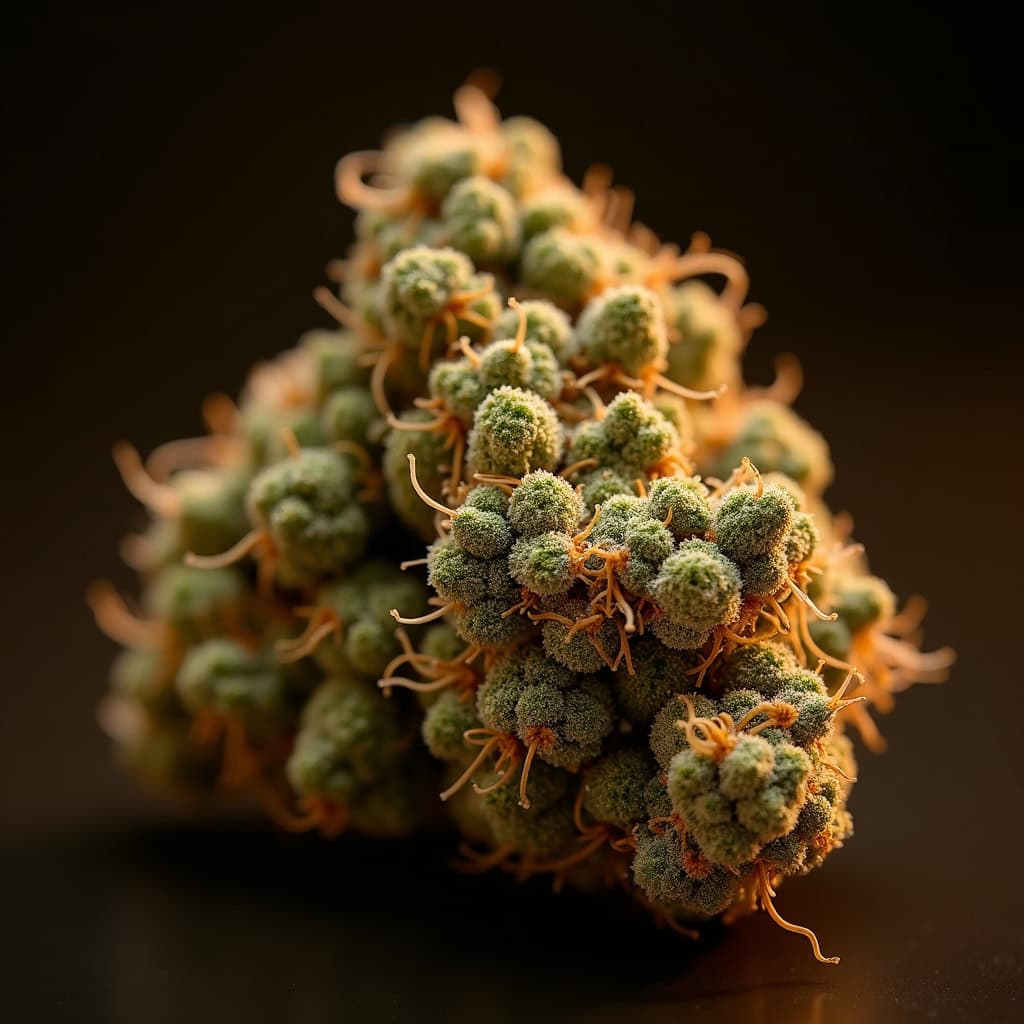
For hemp flower, the flowers are generally harvested and prepared for drying and curing.
For products made from hemp extract, the harvested plant material may move on to the extraction process.
Step 3: Drying & Curing
If you’ve ever purchased hemp flower, you’ve probably heard about drying and curing.
This step is especially important for flower.
After harvesting, the flower needs to be dried carefully to reduce moisture and prepare it for storage.
Curing then allows the flower to continue developing after the initial drying process.
Proper drying and curing can help preserve the flower’s aroma, flavor, appearance, and overall quality.
It’s a little like letting a good loaf of sourdough cool before slicing into it.
Sure, you can rush it.
But why would you?
Step 4: Extraction
This is where things get particularly interesting.
If you’re making an oil, tincture, gummy, capsule, or another hemp extract product, cannabinoids need to be separated from the plant material.
There are several extraction methods used in the hemp industry.
One commonly discussed method is CO₂ extraction, which uses carbon dioxide under controlled conditions to pull desired compounds from the plant.
Other extraction methods may use different solvents or techniques.
The goal is to obtain a hemp extract containing the compounds needed for the final product while removing unwanted plant material.
The extraction method can influence the characteristics of the resulting extract, which is why it’s worth paying attention to how a company sources and processes its ingredients.
Step 5: Refining the Extract
Once hemp has been extracted, the resulting material may go through additional processing.
Depending on the product, manufacturers may want to:
- Remove unwanted compounds
- Concentrate specific cannabinoids
- Adjust the cannabinoid profile
- Preserve or reintroduce certain terpenes
- Create a more consistent ingredient for formulation
This is also where the difference between things like full-spectrum, broad-spectrum, and isolate becomes important.
Full-spectrum extracts are designed to retain a broad range of naturally occurring hemp compounds.
Broad-spectrum extracts retain multiple compounds while having THC removed.
Isolates are highly purified forms of an individual cannabinoid.
Different products call for different approaches.
Step 6: Turning Extract Into a Product
Now comes the part you probably recognize.
That hemp extract can become all kinds of finished products.
Flower
Flower is one of the simplest examples because the plant itself is the product.
Once harvested, dried, cured, tested, and packaged, hemp flower can be sold as-is.
Oils & Tinctures
Extracts can be formulated into oils or tinctures, often with a carrier oil added to create the desired concentration and consistency.
Gummies & Edibles
Hemp extracts can also be incorporated into gummies and other edible products.
The extract is carefully measured and blended into the formulation so the finished product contains the intended amount of cannabinoids.
Capsules
Capsules offer another way to incorporate a measured amount of hemp extract into a finished product.
Topicals
Some hemp extracts are formulated into products designed for topical use, such as creams, balms, and lotions.
These products may combine hemp-derived ingredients with other ingredients selected for the desired texture and application.
Step 7: Testing
Before a hemp product makes its way to the shelf, testing is an important part of the process.
Third-party laboratory testing can help verify what’s actually in a product.
Depending on the product and the tests performed, a Certificate of Analysis (COA) may provide information about:
- Cannabinoid content
- THC levels
- Terpene profiles
- Heavy metals
- Pesticides
- Microbial contaminants
- Other potential contaminants
Testing helps provide transparency between the manufacturer and the customer.
And honestly, we think that’s a good thing.
You should be able to know what you’re buying.
Step 8: Packaging & Labeling
Once a product has been formulated and tested, it’s ready to be packaged and labeled.
The label should provide important information about the product, such as ingredients, cannabinoid content, serving information when applicable, and other required product details.
Good labeling isn’t just about making the package look nice.
It’s about helping customers make informed decisions.
So, Is Every Hemp Product Made the Same Way?
Nope.
And that’s actually one of the things that makes hemp so interesting.
A hemp flower, a tincture, and a gummy may all start with the same basic plant, but their production processes can look completely different.
Flower may go through harvesting, drying, curing, testing, and packaging.
A tincture may involve extraction, refinement, formulation, testing, and bottling.
A gummy involves even more steps because the hemp extract needs to be incorporated into an entirely different type of product.
Same plant. Very different journey.
Why Does the Process Matter?
You might be wondering why any of this matters when you’re standing in a store trying to decide what to buy.
Because the finished product is only as good as the process behind it.
Things like sourcing, cultivation, extraction, formulation, storage, and testing can all influence what ends up in the package.
That’s why it’s worth looking beyond flashy packaging and impressive-sounding product names.
Ask questions.
Look for lab results.
Pay attention to ingredients.
Know where the hemp comes from.
And choose companies that are willing to be transparent about how their products are made.
From Plant to Product
The next time you pick up a hemp product, remember that there’s a whole process behind it.
A seed becomes a plant.
A plant becomes harvested hemp.
Hemp can become flower or an extract.
That extract can become an oil, gummy, capsule, topical, or another finished product.
And ideally, every step along the way is handled with care and followed by appropriate testing.
That’s the journey from plant to product.
At The Dispensary on Main, we believe knowing what goes into a hemp product is just as important as choosing the product itself. If you have questions about where a product comes from, what’s in it, or how it’s made, stop in and talk with our team.
We’re happy to help you make sense of it all.